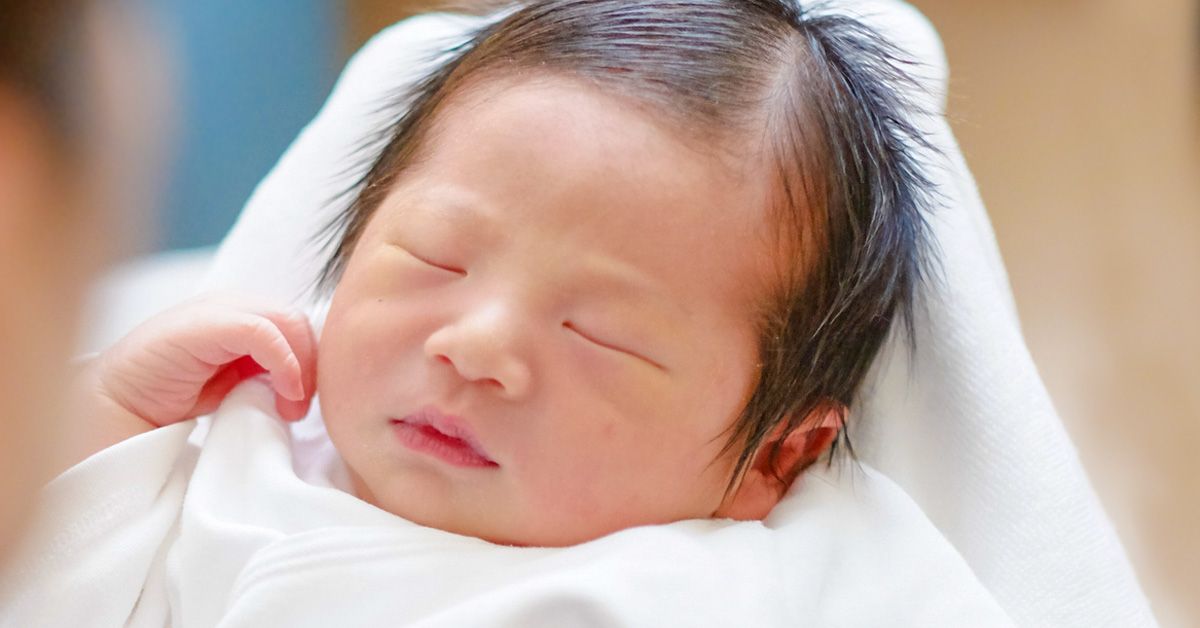
Witnessing your newborn sleep can be one of the most serene and heartwarming experiences of parenthood. You envision peaceful slumber, tiny sighs, and gentle movements. So, when a distinct snore rumbles from that sweet, cherubic face, it can be startling, even alarming. Many new parents find themselves wondering, why do babies snore? Is it a sign of trouble, or just another quirky, adorable part of infancy? The good news is that, in many cases, a snoring newborn is simply undergoing a natural adjustment process, transitioning from their watery world in the womb to breathing air in our vast, open world.
The Noisy World of Newborn Sleep: More Than Just Peaceful Sighs
While the image of a sleeping baby often conjures up serene silence, the reality is that newborns are inherently noisy sleepers. Their tiny bodies are constantly working, developing, and adjusting to life outside the womb. This includes their respiratory systems. It's common to hear a symphony of grunts, snorts, squeaks, and even whistles coming from a sleeping infant. These noises can be a result of tiny, developing airways, mucus in the nasal passages, or simply the rapid changes happening within their little bodies.
Parents quickly become attuned to every nuance of their baby's behavior, from the texture of their diaper contents to the meaning behind every cry. Deciphering sleep sounds is no different. It’s part of the fascinating journey of understanding your child’s unique rhythms and health. So, if you're startled by a snore, remember that it's often just another sound in the fascinating repertoire of a newborn.
From Fluid to Air: The Post-Birth Breathing Adjustment
One of the primary reasons why do babies snore, especially newborns, stems directly from their recent move from an aquatic environment to an aerial one. Inside the womb, a baby doesn't breathe air; instead, their lungs are filled with amniotic fluid, and they "practice" breathing by moving this fluid in and out. Their oxygen supply comes entirely from the mother's placenta.
The moment a baby is born, a dramatic shift occurs. Their first cry isn't just a sound; it's often their first true breath of air, a monumental physiological event. Doctors, nurses, and midwives are quick to clear their mouth and nasal passages to ensure their lungs can inflate properly. However, even with diligent clearing, tiny remnants of amniotic fluid or mucus can linger in a newborn's delicate, narrow airways. As the baby learns to efficiently breathe air, these residual fluids, combined with soft, flexible tissues, can cause vibrations. When air passes through these slightly obstructed or still-developing passages, it can create the distinctive sound we recognize as a snore.
Think of it this way: adult snoring occurs when relaxed soft tissues in the throat vibrate as air passes through a narrowed airway. In newborns, while the muscles aren't necessarily "relaxed" in the same way an adult's are after a long day, their respiratory system is still very much a work in progress. The delicate tissues in their throat and nasal passages are incredibly soft and flexible. As they adapt to the sensation and mechanics of breathing air, these tissues can vibrate, especially if there's any slight congestion or if their head position causes a temporary narrowing of the airway. This developmental phase is a significant factor in explaining why do babies snore in their earliest weeks of life.
What Causes Snoring in Babies? Beyond the Amniotic Fluid
While the transition from amniotic fluid is a key factor for newborns, other common and usually harmless reasons can contribute to baby snoring:
- Nasal Congestion: Babies have incredibly tiny nasal passages, and even a small amount of dried mucus, dust, or a mild cold can cause significant obstruction. Since babies are obligate nasal breathers for their first few months (meaning they prefer to breathe through their nose), any blockage here can lead to noisy breathing or snoring as air struggles to pass through.
- Sleeping Position: The way a baby sleeps can sometimes affect their airway. While back sleeping is crucial for reducing the risk of SIDS, certain head positions (like a chin tucked too far into the chest) can temporarily narrow the airway and lead to snoring.
- Dry Air: A dry environment can irritate a baby's delicate nasal lining, causing dryness or increased mucus production, both of which can lead to noisy breathing or snoring.
- Adenoids and Tonsils: While more common in older infants and toddlers, enlarged adenoids or tonsils can partially block the airway, leading to persistent snoring. This is something a doctor would assess.
- Immature Airway Structure: A baby's larynx (voice box) and trachea (windpipe) are much softer and more flexible than an adult's. Sometimes, during sleep, these structures can partially collapse, leading to a condition called laryngomalacia, which often resolves on its own as the baby matures. This can cause noisy breathing, including snoring.
Understanding these varied causes helps parents discern between typical infant sounds and potential concerns.
When to Be Vigilant: Understanding Sleep-Disordered Breathing
While often benign, it’s also important not to dismiss all snoring as normal. The question of why do babies snore sometimes comes with a more serious answer: sleep-disordered breathing (SDB). SDB is an umbrella term for various conditions that cause restricted, disruptive, or even temporarily obstructive breathing during sleep. While many babies are simply "heavy snorers," vigilance is always wise.
It's true that adults commonly snore, but SDB in infants can manifest differently and carry specific risks. Conditions like pediatric sleep apnea, for instance, can cause pauses in breathing. While such severe cases are less common, it's why parents need to be observant. The difference between harmless noisy breathing and SDB often lies in the associated symptoms. If your baby's snoring is accompanied by any of the following, it's time to consult your pediatrician:
- Pauses in breathing (apnea) for more than a few seconds
- Gasping or struggling for breath
- Frequent waking or restlessness during sleep
- Cyanosis (a bluish tint around the mouth or on the skin, indicating lack of oxygen)
- Loud, labored breathing
- Persistent snoring that increases in volume or frequency
- Poor weight gain or developmental delays
If you're concerned about your baby's snoring, particularly if you observe any of these additional symptoms, always consult your doctor. They can assess your baby's specific situation and rule out any underlying medical conditions. For a deeper dive into this topic, you might find our article Is Your Snoring Baby Experiencing Sleep-Disordered Breathing? particularly helpful.
Practical Tips for Parents of Snoring Newborns
If your baby is a snorer, and your pediatrician has confirmed it's not a cause for concern, here are some practical tips to help manage the situation and potentially reduce the noise:
- Clear Nasal Passages: Use a bulb syringe or saline nasal drops designed for infants to gently clear any mucus. This can be especially effective before bedtime.
- Maintain Humidity: A cool-mist humidifier in the baby's room can help keep nasal passages moist and prevent dryness that can exacerbate snoring.
- Ensure Optimal Sleep Environment: Always place your baby to sleep on their back on a firm, flat surface, free of loose blankets, pillows, or bumper pads, in accordance with safe sleep guidelines. While head position can sometimes affect snoring, never compromise on safe sleep practices.
- Monitor and Observe: Keep a mental note or even a small log of when your baby snores, how loudly, and if there are any accompanying symptoms. This information can be invaluable if you do need to consult a doctor.
- Stay Calm: Remember that in most cases, newborn snoring is a temporary phase as their respiratory system matures. Your calm demeanor can also help you make clearer observations.
The journey of parenthood is filled with countless discoveries, and observing your baby's sleep patterns is certainly one of them. While a snoring newborn can be surprising, understanding the reasons behind it—especially the incredible transition from amniotic fluid to air—can bring immense reassurance. Always trust your parental instincts and when in doubt, never hesitate to reach out to your pediatrician. They are your best resource for ensuring your little one is healthy and thriving.