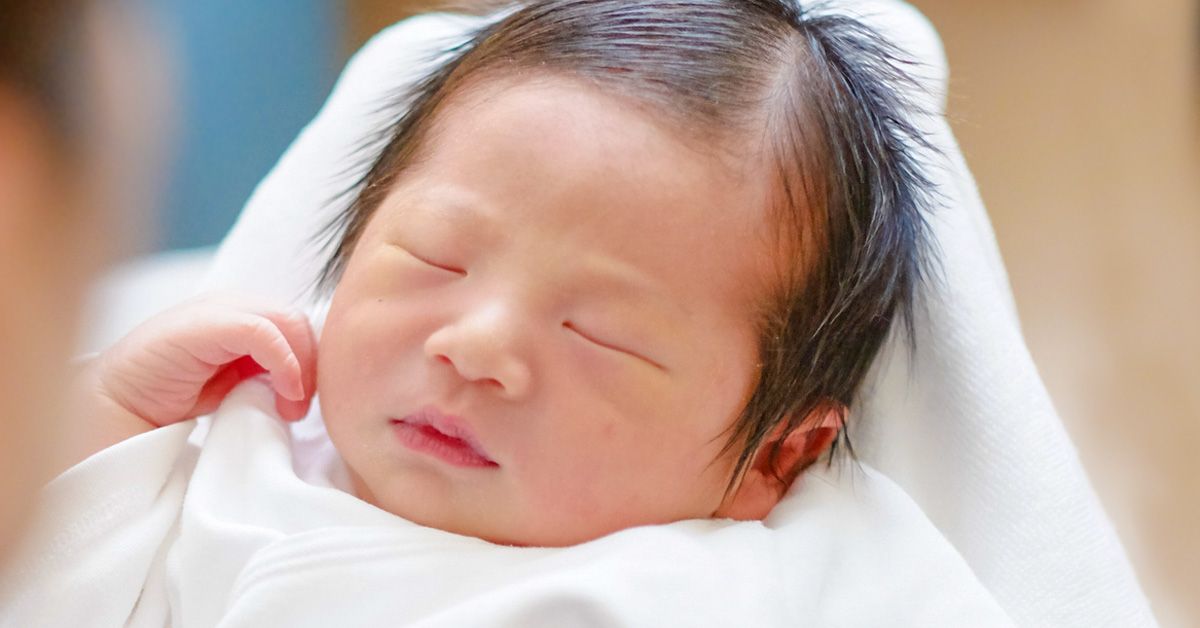
As a parent, few things are as universally cherished as watching your baby sleep. The quiet, rhythmic breathing, the tiny, peaceful expressions – these are the moments that truly melt your heart. But what happens when that peaceful slumber is interrupted by a sound you might not expect from a cherubic infant: snoring?
The sudden realization that your baby snores can be startling, even concerning. We often associate snoring with adults, not the innocent quiet of a sleeping newborn. This discovery can quickly shift your emotional warming memories into a flurry of questions and worries. Should you be worried if your lovely, innocent, and cherubic little baby starts snoring, perhaps even loudly, in its sleep? The answer, like many things in parenthood, is nuanced: yes and no.
Why Do Babies Snore? Discerning Normal Noises from Potential Trouble
It's natural to feel a pang of concern when you first hear your baby snore. Our instincts tell us that any deviation from what we perceive as 'normal' might signal a problem. However, it's important to understand that snoring is not exclusively an adult phenomenon. While it might shatter that idyllic image of a perfectly silent, slumbering baby, a snoring infant isn't necessarily a strange sight. Many babies and young children experience various sleep-related noises, including snoring.
The "yes and no" answer to whether you should worry boils down to vigilance. While a baby who snores isn't automatically facing a severe health crisis, it's also not something to ignore entirely. Snoring can sometimes be a symptom of a broader medical term known as Sleep-Disordered Breathing (SDB). This umbrella term covers a range of conditions that cause restricted, disruptive, and sometimes temporarily obstructive breathing during sleep. It's crucial to understand the difference between innocent, noisy sleeping and potential SDB, which can have significant health implications for a developing child. For a more in-depth look, consider reading our article on Baby Snoring: Normal Noises or a Sign of Trouble?
Understanding the Common Causes of Baby and Toddler Snoring
So, why do babies snore? Several factors can contribute to a baby's nocturnal rumblings, ranging from completely harmless to those warranting a closer look.
Newborns are Inherently Noisy Sleepers
One of the primary reasons you might hear a baby snore, especially a newborn, is simply due to their physiological adjustment to life outside the womb. Think about it: for nine months, your baby was accustomed to breathing amniotic fluid. After birth, their tiny respiratory system needs time to readjust and learn to breathe air naturally and regularly. Their nasal passages are incredibly small, and any minor congestion or even just the process of clearing residual fluid can lead to snorts, grunts, and even mild snoring. Their airways are naturally softer and more flexible than an adult's, making them more prone to vibrating sounds. To learn more about this fascinating transition, explore our detailed guide on Why Newborns Snore: Adjusting From Amniotic Fluid.
Anatomy and Soft Tissues
The basic mechanics of snoring in babies aren't entirely different from adults, though the causes can vary. Snoring occurs when the soft tissues in the throat vibrate. During sleep, the muscles in our bodies, including those in the throat, relax. This relaxation can cause the soft palate, uvula, and other tissues to become slack. As air passes through the windpipe on its way to the lungs, especially if the airway is partially narrowed, it creates turbulence. This gush of air causes the relaxed, flabby tissues to vibrate, producing that characteristic rattling snore.
While an older person's tissues may be looser, making them more prone to snoring, a baby's smaller, more delicate anatomy can also lead to these vibrations. Anything that partially obstructs or narrows their tiny nasal passages or throat can contribute to snoring.
Common, Minor Causes
- Nasal Congestion: The most frequent culprit. Even a mild cold, allergies, or dry air can cause a baby's minuscule nasal passages to become blocked, forcing them to breathe through their mouth, which can lead to snoring.
- Dry Air: A dry environment can irritate a baby's delicate nasal lining, leading to swelling and congestion.
- Position: Sometimes, a baby's sleeping position can temporarily cause mild snoring, especially if their neck is flexed in a way that partially restricts airflow.
- Temporary Swelling: Minor inflammation from a mild infection can cause temporary swelling in the nasal passages or throat.
When Snoring Signals Sleep-Disordered Breathing (SDB)
While many causes of baby snoring are benign, it's essential to distinguish these from signs of Sleep-Disordered Breathing (SDB). SDB in babies and children is a serious concern that can impact their development, health, and quality of life. It’s not trivializing the serious health threats that a baby can encounter. SDB goes beyond simple snoring and involves consistent, disruptive patterns of breathing during sleep.
Signs to Watch For Beyond Just Snoring
If you're observing any of these alongside snoring, it's time to consult your pediatrician:
- Loud, Consistent, or Frequent Snoring: While occasional light snoring might be normal, very loud snoring that happens most nights of the week is a red flag.
- Pauses in Breathing (Apnea): This is perhaps the most critical sign. If you notice your baby stops breathing for a few seconds, followed by a gasp or snort, it could indicate obstructive sleep apnea.
- Gasping or Choking Sounds: These noises suggest your baby is struggling to breathe or catch their breath during sleep.
- Labored Breathing: Look for visual cues like flared nostrils, chest retractions (the skin pulling in around the ribs or neck with each breath), or rapid breathing.
- Unusual Sleep Positions: Babies with SDB might extend their neck or sleep in odd positions to try and open their airway.
- Restless Sleep: Frequent tossing, turning, or waking up throughout the night.
- Daytime Symptoms:
- Excessive Sleepiness: Appearing unusually tired or falling asleep easily during the day.
- Irritability or Behavioral Issues: Due to poor quality sleep, babies and toddlers might be more fussy, irritable, or hyperactive.
- Difficulty Feeding or Poor Weight Gain: If breathing difficulties affect feeding, it can impact growth.
- Slow Development: Chronic sleep deprivation can affect cognitive and physical development.
Potential Underlying Issues for SDB
If SDB is suspected, a pediatrician will investigate underlying causes. The most common structural reason for SDB in children is enlarged tonsils and adenoids. These lymphatic tissues, located in the back of the throat and nasal cavity, can swell and partially block the airway. Other, less common causes might include:
- Gastroesophageal Reflux (GERD): Reflux can cause inflammation and irritation in the throat, contributing to airway narrowing.
- Structural Abnormalities: Rarely, certain craniofacial abnormalities or other anatomical issues can predispose a child to SDB.
- Neuromuscular Conditions: In some cases, conditions affecting muscle tone can contribute to airway collapse during sleep.
What Should Parents Do? Prevention and When to Seek Help
Vigilance is key. While you don't necessarily need to be worried about every snort, you should be attentive to your baby's sleep patterns and any accompanying symptoms.
Home Remedies for Mild Snoring
If your baby's snoring seems mild and is likely due to congestion or dry air, you can try these:
- Humidifier: Place a cool-mist humidifier in your baby's room to add moisture to the air, which can help alleviate nasal dryness and congestion.
- Saline Drops: Over-the-counter saline nasal drops can help loosen mucus and clear nasal passages before sleep. Always follow package directions or your pediatrician's advice.
- Clear Nasal Passages: Gently clear your baby's nose with a bulb syringe or nasal aspirator, especially before feeding and sleeping.
- Elevate Head (Slightly): For older babies (not newborns), slightly elevating the head of the crib might help with congestion, but always prioritize safe sleep guidelines (flat, firm surface, on their back).
Recognizing Red Flags and Consulting Your Pediatrician
When in doubt, always consult with your doctor. Your pediatrician is your best resource for evaluating your baby's health. You should definitely make an appointment if you observe any of the following:
- The snoring is consistently loud, frequent, or sounds particularly harsh.
- You notice any pauses in breathing, gasping, or choking sounds.
- Your baby appears to be struggling to breathe (flaring nostrils, chest retractions).
- Your baby exhibits any of the daytime symptoms of SDB, such as excessive sleepiness, irritability, or difficulty feeding.
- Your baby is not gaining weight appropriately or seems to be developing slowly.
- You simply feel uneasy or have persistent concerns about your baby's breathing during sleep.
Your pediatrician can assess your baby's overall health, examine their airways, and determine if further investigation, such as a sleep study, is necessary. Early diagnosis and intervention for SDB can prevent long-term health complications and ensure your baby gets the restorative sleep they need for healthy growth and development.
Conclusion
Witnessing your baby snore can be an unexpected and sometimes alarming experience. While occasional, soft snoring, especially in newborns, can often be attributed to their developing respiratory system or minor congestion, it's vital for parents to remain vigilant. Understanding why babies snore and recognizing the subtle differences between benign sleep noises and potential signs of Sleep-Disordered Breathing is crucial. Trust your parental instincts, observe your baby's sleep patterns closely, and never hesitate to consult your pediatrician if you have any concerns. Their expertise will help ensure your little one breathes easily and sleeps soundly, fostering their health and happiness.